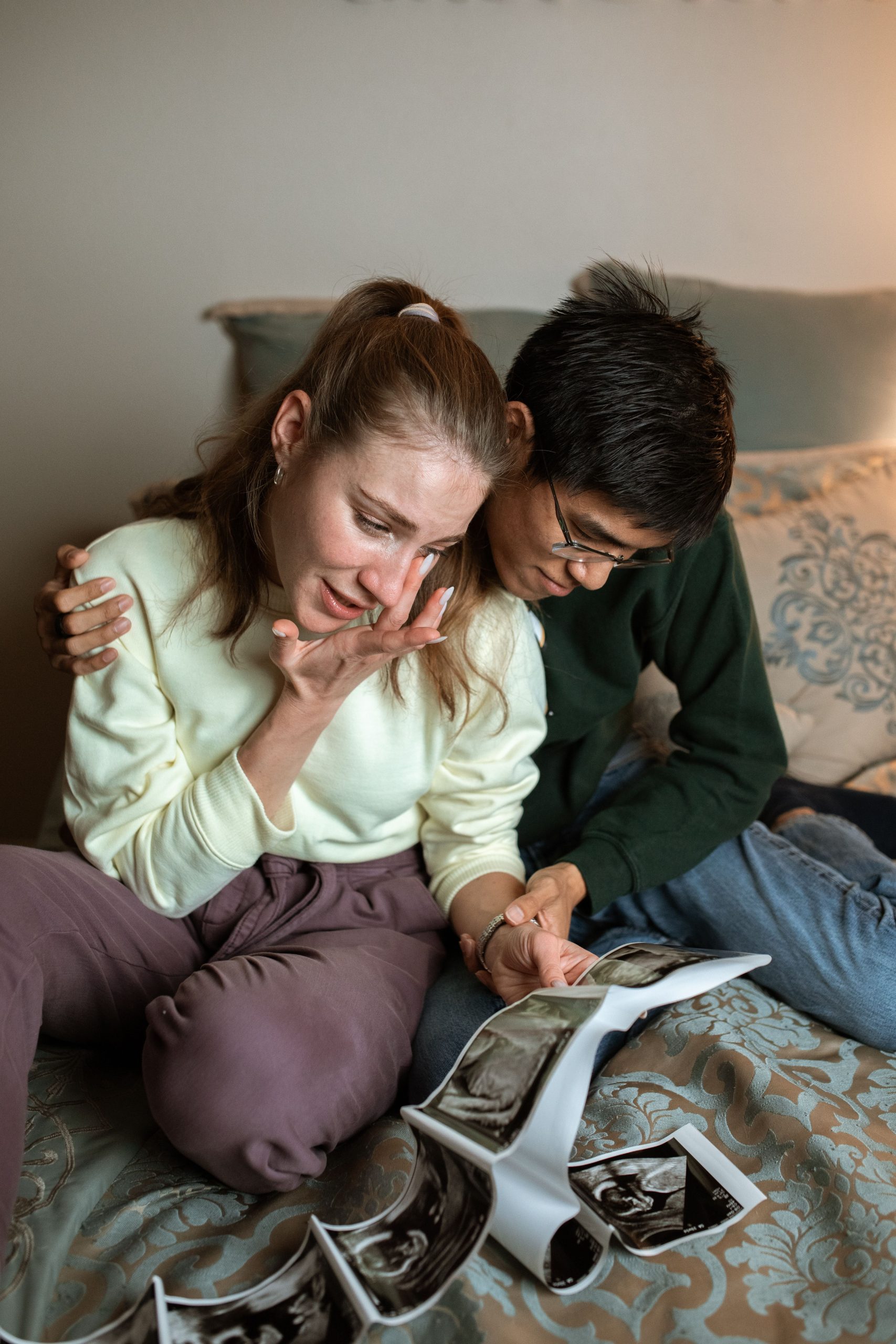

Serious injuries during childbirth are in the news again this week.
Recent NHS figures have highlighted rising rates of severe postpartum haemorrhage and third and fourth-degree tears in England, bringing renewed attention to women’s safety and recovery after childbirth.
Understandably, much of the conversation focuses on preventing these injuries and making sure women receive appropriate physical care.
But there is another part of recovery that can be overlooked.
What happens when a physical birth injury also becomes psychological trauma?
As a former midwife, and now a psychotherapist specialising in birth trauma and psychosexual therapy, this is an area where I often see the physical, psychological and sexual consequences of childbirth overlap.
Birth injuries are not only physical
Physical injuries and complications associated with childbirth can include perineal tears, episiotomy, third or fourth-degree tears, significant blood loss, complications following assisted vaginal birth, caesarean wounds and other injuries requiring further treatment.
Not every woman who experiences a birth injury will experience psychological trauma.
But for some, the physical injury becomes part of a much wider traumatic experience.
Perhaps there was an emergency.
Perhaps there was significant blood loss.
Perhaps the pain was overwhelming.
Perhaps procedures happened very quickly, with little opportunity to understand what was happening.
Perhaps there was fear for the baby.
Or perhaps the birth appeared medically straightforward to everyone else, while the woman herself experienced intense fear, helplessness or loss of control.
Trauma isn’t defined simply by what happened medically.
How the experience was perceived matters too.
When the body becomes a reminder of the birth
One of the difficulties with physical birth trauma is that reminders of the experience can be difficult to avoid.
Pain when sitting, exercising, using the toilet or having sex may repeatedly draw attention back to what happened.
Scars can become reminders.
Pelvic examinations can feel frightening.
Returning to hospital can trigger anxiety.
And sexual intimacy may involve the very area of the body associated with the injury.
This can create a complicated relationship between physical and psychological recovery.
A woman may have been told that physically she has healed yet still feel that something isn’t right.
“Everything has healed” but it doesn’t feel that way
This is something that can be difficult to explain to other people.
A wound may have healed medically. The stitches may be gone. A follow-up examination may show that everything looks as expected.
But the nervous system doesn’t work to the same timetable.
Sometimes physical sensations associated with the birth continue to trigger fear or distress long after the immediate physical danger has passed.
The person may logically know that she is safe, while her body reacts as though she isn’t.
This isn’t a failure to “move on”.
It can be part of a trauma response.
What does the research tell us?
Recent UK research reinforces why longer-term recovery after birth injuries deserves greater attention.
The 2026 CHAPTER study examined health records from more than two million women in England. Researchers found that recorded childbirth-related perineal trauma was associated with increased risks of anxiety and depression, alongside physical and sexual difficulties including urinary incontinence, pain, painful sex and reduced sexual desire.
Some increased risks persisted for more than five years after childbirth.
The research doesn’t mean that a tear or episiotomy will inevitably cause psychological or sexual difficulties. Most importantly, it shows why the effects of childbirth-related injuries shouldn’t be viewed as something that necessarily ends once the initial wound has healed.
The impact on sex and intimacy
This is one aspect of recovery that I don’t think we talk about enough.
After a difficult or traumatic birth, returning to sex may involve far more than waiting for six weeks or being told that it is physically safe to resume intercourse.
There may be pain or fear of pain.
Some women become very aware of changes to their body or worry about causing further damage.
Others notice themselves becoming tense as soon as penetration is attempted.
There may be reduced sexual desire, avoidance of intimacy or difficulty remaining present during sex.
Sometimes the body reacts before the person has consciously understood why.
A woman may genuinely want intimacy with her partner while another part of her seems to be saying:
This isn’t safe.
Avoidance can then make sense as a protective response rather than simply a lack of interest in sex.
When birth trauma looks like PTSD
For some women, the psychological impact of childbirth develops into symptoms of post-traumatic stress.
These might include intrusive memories of the birth, nightmares, feeling as though parts of the experience are happening again, avoiding reminders, feeling constantly on alert, difficulty sleeping or feeling emotionally numb or disconnected.
Pregnancy, birth or hospital-related content may become difficult to see.
There may also be significant anxiety about becoming pregnant or giving birth again.
And sometimes the triggers are less obvious.
A smell.
Someone’s tone of voice.
A medical environment.
Lying in a particular position.
A physical sensation.
Sexual touch.
The body can respond strongly to something associated with the original experience even when the connection isn’t immediately obvious.
“But my baby was fine.”
This is something I hear frequently in my work with birth trauma.
Women can feel guilty about struggling because their baby survived and is healthy.
They may also have heard:
“At least you have a healthy baby.”
Of course, a healthy baby matters enormously.
But gratitude for your baby and distress about what happened to you can exist at the same time.
One does not cancel out the other.
The effects don’t necessarily end at the six-week postnatal check
The traditional six-week postnatal check can inadvertently create the impression that recovery from childbirth should happen relatively quickly.
For many women, it doesn’t.
Sometimes the psychological impact becomes particularly apparent much later.
It might be when someone tries to return to sex.
It might be during a cervical screening appointment or another medical procedure.
It might happen when a friend becomes pregnant.
Or it may emerge when considering another pregnancy or approaching another birth.
Sometimes women seek help for birth trauma many years after the birth itself.
There isn’t an expiry date on when an experience can be addressed in therapy.
Physical and psychological care shouldn’t be separated
If someone is experiencing ongoing pain, continence problems, problems with wound healing or other physical symptoms following childbirth, appropriate medical assessment is important.
Psychological therapy isn’t a substitute for treating a physical problem.
But equally, being told that an injury has physically healed doesn’t necessarily resolve the psychological impact of what happened.
Sometimes recovery needs both.
This may mean specialist women’s health or pelvic health services alongside psychological support.
And when sexual difficulties have developed, psychosexual therapy can help explore the interaction between pain, fear, arousal, avoidance, relationships and sexual confidence.
Can EMDR help after a traumatic birth?
EMDR – Eye Movement Desensitisation and Reprocessing, is one of the psychological therapies used to treat PTSD.
The aim isn’t to erase the memory of the birth.
You will still know what happened.
Instead, therapy can help the brain process traumatic memories that continue to feel as though the danger is happening in the present.
People sometimes describe being able to remember what happened without experiencing the same overwhelming emotional or physical reaction.
Where birth trauma has also affected sex and intimacy, I often integrate trauma therapy with psychosexual therapy rather than treating the two as completely separate problems.
Because sometimes the sexual difficulty isn’t simply about sex.
It is connected to what the body remembers.
You don’t have to have had a “textbook traumatic birth”
There is no checklist of birth events that determines whether someone is entitled to feel traumatised.
Two women can experience medically similar births and experience them very differently psychologically.
What matters isn’t only what happened.
It is also what you experienced while it was happening.
And if the physical effects of childbirth continue to influence how safe you feel in your body, your relationships, your sex life, your experiences of healthcare or your thoughts about another pregnancy, those effects deserve to be taken seriously.
Physical healing and psychological recovery don’t always happen at the same pace.
About Emma
Emma Mathews is an accredited psychotherapist, psychosexual therapist and EMDR Clinical Supervisor/Consultant, and a former midwife. She specialises in birth trauma, PTSD, medical trauma and sexual difficulties.
Therapy is available face-to-face in Wirral and online across the UK.