
Talking about sex can feel incredibly difficult. Many thoughts, fears, and desires stay unspoken between friends, in relationships, and even in therapy. When sex feels confusing, awkward, or not quite how you imagined, it’s easy to fall into unhelpful beliefs:
- “Sex should be easy… right?”
- “Everyone else seems to manage it.”
- “There must be something wrong with me.”
- “I’m not attractive.”
- “I don’t know what I like.”
- “I don’t know how to make my partner feel good.”
- “It’s all just… awkward.”
Here’s the truth: you’re not alone. Many people feel pressure, confusion, or shame about sex. And much of it stems from the way we learned about sex in the first place.
Where do we learn about sex?
When I ask clients how they learned about sex, the answers are nearly always the same. School sex education, if it happened at all, focused on biology, reproduction, and risk. It was often delivered by teachers who were embarrassed, underprepared, and limited in what they could say.
What they didn’t teach us was just as important:
- How sex might feel emotionally
- How to communicate desire or boundaries
- How to manage self-image or sexual confidence
- How genitals differ in appearance
- That sex isn’t one single “right” script
Without this emotional or practical education, people grow up with huge gaps in their understanding and unrealistic expectations about what sex “should” look like.
What is normal?
This is one of the most common questions I’m asked and there is no universal normal.
Many individuals and couples I work with are stuck on an idea of what sex should be, penetration lasting a certain amount of time, lots of thrusting, and both partners ending in explosive orgasms, just like the movies.
This isn’t true. And believing it can lead to anxiety, disappointment, and a sense of inadequacy. Pornography plays a major role in creating these myths. Porn is a billion-dollar industry built around performance, not real intimacy. Erections last forever. Orgasms are dramatic. Bodies are filtered, edited, shaved, and surgically altered. Pleasure appears effortless. No wonder people feel confused—and no wonder confidence and body satisfaction are dropping.
Sex is a discovery, not a performance
Sex is an interaction between two people, unique to every relationship. There is no single formula. What worked with an ex may not work with your current partner and communication is essential. If your partner says something isn’t quite right for them, it doesn’t mean you’re doing something wrong. It simply means they have different preferences, just as you do. Sex is a journey. Some experiences you may not repeat; others you will explore repeatedly. It’s all okay.
Let’s bust some common sexual myths
Myth 1: Men should keep an erection throughout foreplay
Not true. Erections naturally come and go, depending on focus and stimulation. If a man is focused on his partner for a while, the erection may soften, and it can come back. No need to panic or catastrophize.
Myth 2: Women climax through penetration
Only around 30% of women orgasm through penetrative sex alone. Most need direct clitoral stimulation.
Myth 3: Sex only “counts” if it involves penetration
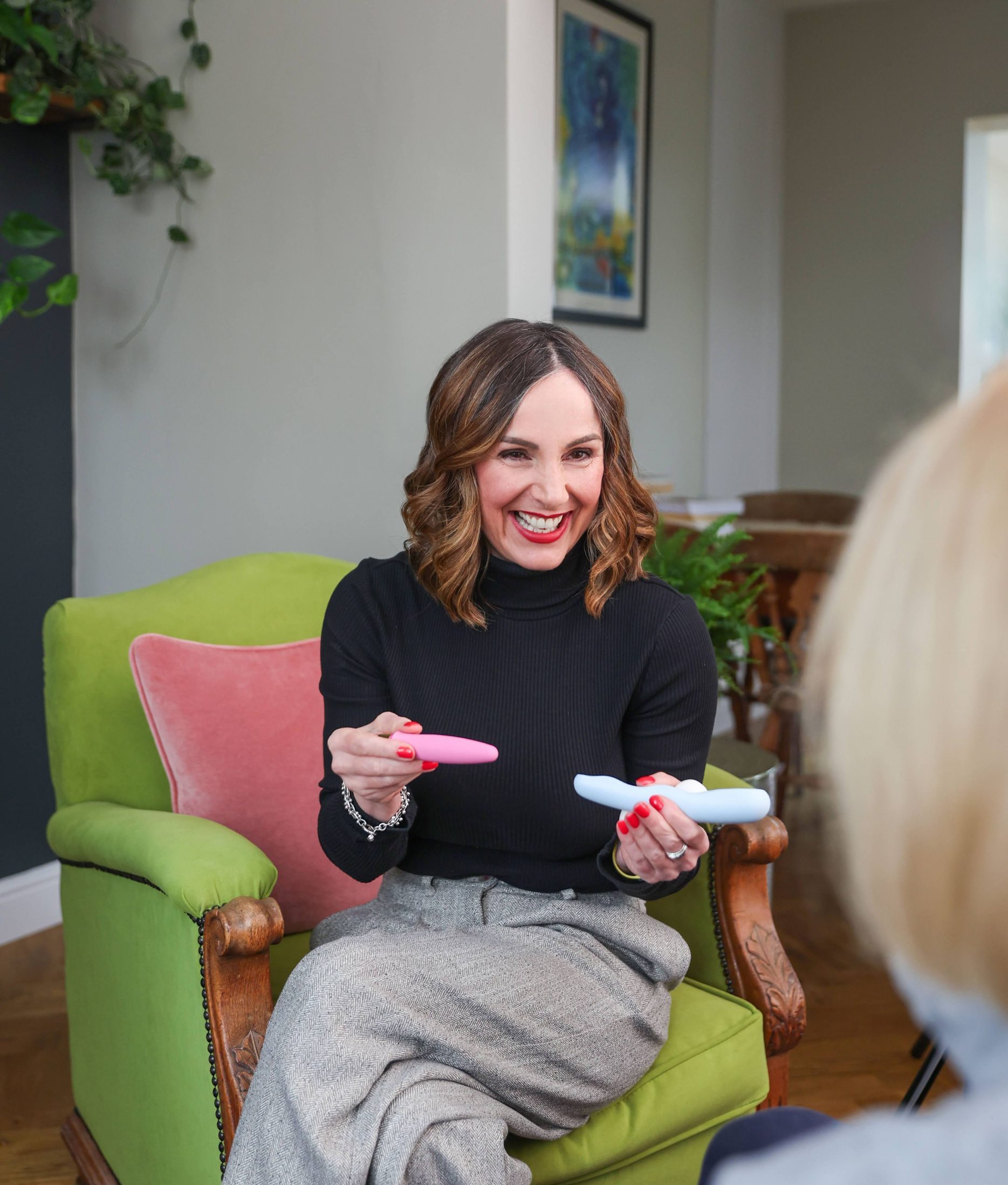
Penis-in-vagina or penis-in-anus sex is not “better” or more real than outercourse. Mutual masturbation, oral sex, sex toys, it’s all sex if it feels good and consensual.
Myth 4: Healthy couples climax simultaneously
It’s incredibly rare. When it happens, it’s usually chance, not a standard to aim for.
Myth 5: There is a “right” amount of sex
Whether you have sex once a year or several times a day, it can all be normal.
Sex changes throughout life, and that’s normal too
Hormones, physical changes, mental health shifts, parenthood, stress, and aging all influence sexual desire and ability.
After having a baby
Parenthood brings big adjustments:
- Less spontaneity
- Exhaustion
- New responsibilities
- Breasts taking on a new role
- Lower lubrication due to breastfeeding
- Physical recovery from birth
These changes can temporarily affect desire, comfort, and sexual confidence.
Menopause
As women approach menopause, libido may change. Physical symptoms like dryness, fatigue, and hot sweats can add to anxiety, and many women grieve the sexual version of themselves they once knew. This can affect self-esteem and cause fear about relationships or the future.
Ageing and men
Libido can decrease. Erections may be harder to maintain. These changes can feel frightening and can affect confidence, masculinity, and relationship security.
These experiences are common, understandable, and treatable.
Sexual problems are often both physical and psychological
Pain, difficulty with erections, or loss of desire may feel purely physical, but psychological factors can maintain or worsen them. Performance anxiety, fear, embarrassment, and relationship stress all play a part. Even when a problem is physical in origin, the emotional and relational effects matter. Therapy can help you understand these layers and rebuild your sexual wellbeing.
Support for menopause-related emotional changes
A 2016 British Menopause Society survey found:
- 50% of women didn’t consult a healthcare professional about their symptoms
- 50% said menopause negatively affected their sex life
- 45% felt it impacted their work
- 36% said it affected their social life
- 38% of partners felt helpless
You don’t have to navigate these changes alone.
How Emma Mathews Psychotherapy can help
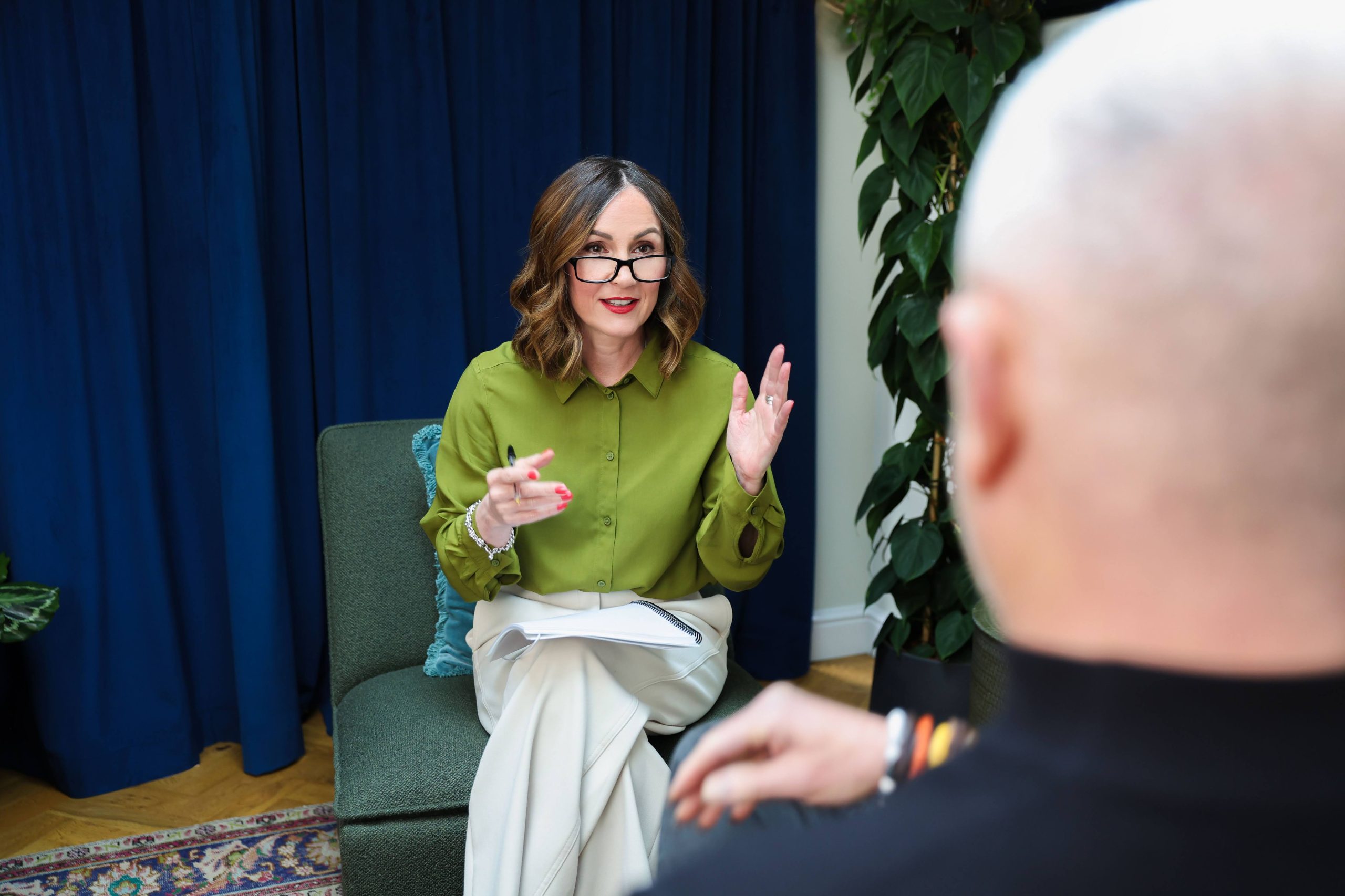
At my clinic, I provide a supportive, confidential space to explore:
- sexual difficulties
- performance anxiety
- relationship concerns
- libido changes
- emotional and relational aspects of menopause
You’ll receive evidence-based psychological interventions, practical strategies, and a professional, compassionate approach to helping you reconnect with your sexual confidence and wellbeing.